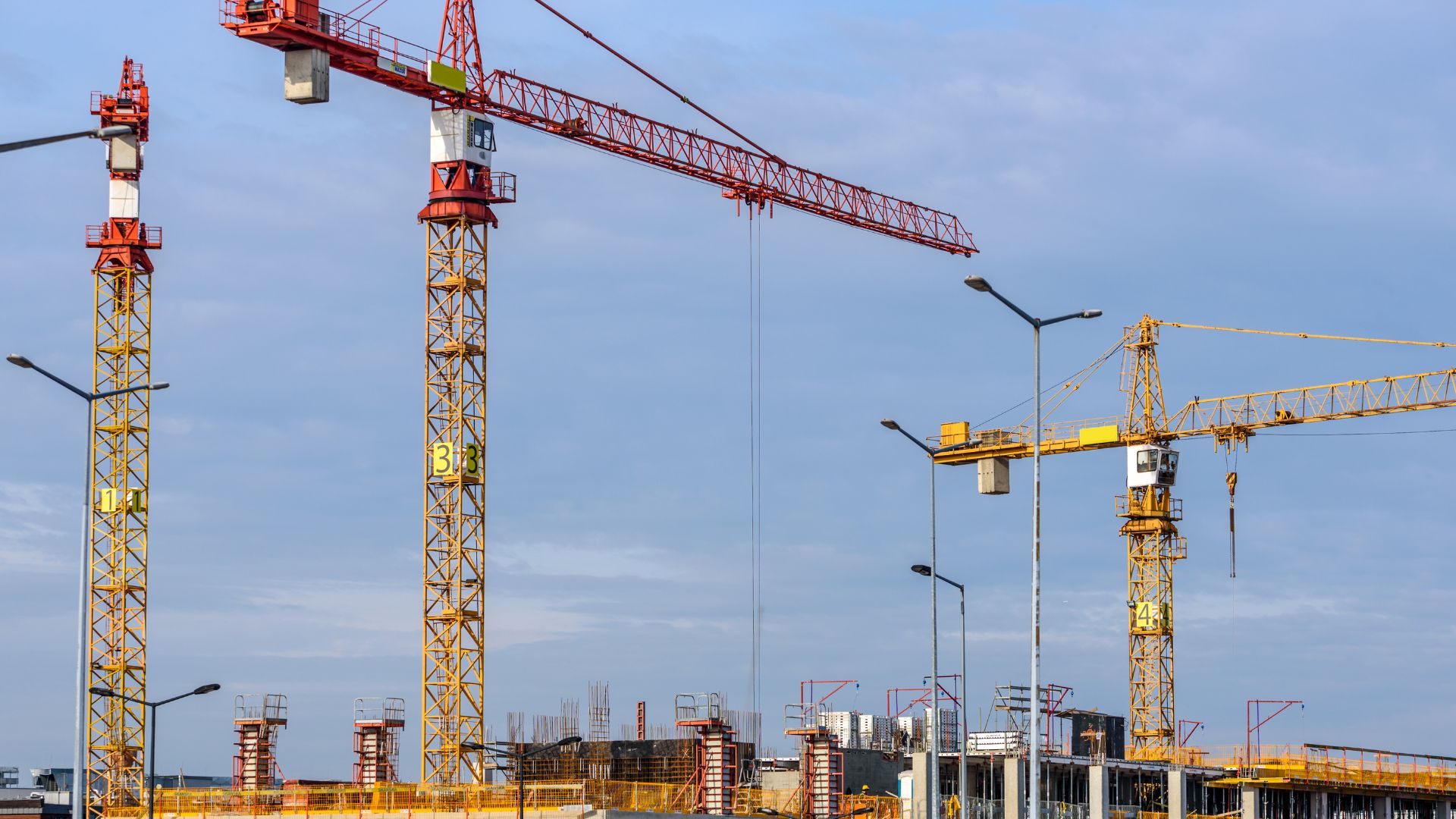
Western Australia is one of Australia’s most active industrial regions. Mining, manufacturing, oil and gas, logistics, and renewable energy sectors depend on reliable infrastructure systems for daily operations. Industrial infrastructure management services help businesses maintain operational efficiency, improve safety, and extend asset lifespan across industrial facilities.
Industrial infrastructure services in Western Australia support the planning, operation, maintenance, and improvement of industrial assets. These services are essential for industries operating in demanding environments with heavy equipment, continuous production schedules, and remote work locations.
Industrial facilities require strong infrastructure systems to reduce downtime, maintain compliance, and support long-term business growth. Infrastructure management combines engineering, maintenance, monitoring, and project coordination to improve overall operational performance.
Understanding Industrial Infrastructure Management
Industrial infrastructure management involves overseeing industrial assets throughout their operational lifecycle. This includes inspection, maintenance, repairs, upgrades, safety management, and performance monitoring.
Industrial infrastructure services in Western Australia help companies manage critical infrastructure such as:
- Processing plants
- Conveyor systems
- Pipelines
- Electrical networks
- Industrial buildings
- Storage facilities
- Mechanical equipment
- Transport infrastructure
Effective infrastructure management improves productivity and reduces operational risks. Proper maintenance planning also helps companies avoid costly equipment failures and unplanned shutdowns.
Importance of Infrastructure Management in Western Australia
Industrial operations across Western Australia often face harsh environmental conditions. High temperatures, dust exposure, corrosion, and remote locations place significant pressure on infrastructure systems.
Industrial infrastructure services in Western Australia are important because they help businesses maintain safe and reliable operations under these conditions. Well-managed infrastructure supports:
- Reduced maintenance costs
- Improved equipment reliability
- Better workplace safety
- Higher production efficiency
- Longer asset lifespan
- Environmental compliance
Mining facilities, processing plants, and energy projects often operate 24 hours a day. Continuous infrastructure monitoring helps prevent operational disruptions and equipment breakdowns.
Key Industrial Infrastructure Management Services
Industrial infrastructure management includes a wide range of technical and operational services.
Asset Maintenance Services
Maintenance is one of the most important parts of infrastructure management. Preventive maintenance reduces equipment failure and extends asset life.
Maintenance services often include equipment inspections, lubrication, component replacement, structural repairs, and mechanical servicing.
Predictive maintenance systems are now commonly used to monitor equipment performance and identify potential problems before breakdowns occur.
Engineering and Technical Support
Industrial facilities require ongoing engineering support to maintain infrastructure performance. Engineering teams inspect structures, evaluate equipment conditions, and recommend system improvements.
Industrial infrastructure services in Western Australia often include structural engineering, mechanical engineering, electrical system management, and process optimization.
Shutdown and Turnaround Management
Large industrial facilities periodically shut down operations for inspections, maintenance, and repairs. Shutdown management services help companies complete maintenance work safely and efficiently.
These projects involve workforce coordination, equipment replacement, safety inspections, and project scheduling.
Infrastructure Upgrades and Expansion
Industrial facilities often require upgrades to support new technology, increased production capacity, or environmental compliance requirements.
Infrastructure upgrades may include automation systems, energy-efficient equipment, electrical improvements, and structural modifications.
Industries Using Infrastructure Management Services
Several major industries in Western Australia rely on infrastructure management solutions.
Mining Industry
Western Australia is one of the world’s leading mining regions. Mining operations require continuous infrastructure monitoring to maintain processing plants, conveyors, workshops, and transport systems.
Industrial infrastructure services in Western Australia support mine site maintenance, equipment reliability, and operational safety.
Oil and Gas Sector
Oil and gas facilities depend on strict maintenance and safety management systems. Infrastructure management helps operators maintain pressure systems, pipelines, storage tanks, and processing equipment.
Regular inspections and maintenance help reduce safety risks and improve operational stability.
Manufacturing and Processing
Manufacturing facilities require reliable infrastructure to support production lines, warehouse systems, and automation equipment.
Infrastructure management services help manufacturers reduce downtime and improve production efficiency.
Renewable Energy Projects
Renewable energy facilities such as solar farms and battery storage systems require ongoing maintenance and technical support. Infrastructure management ensures efficient energy generation and long-term operational performance.
Benefits of Professional Infrastructure Management
Professional infrastructure management improves industrial performance across multiple areas.
Reliable maintenance programs reduce emergency repairs and improve equipment lifespan. Strong infrastructure systems also improve worker safety and operational efficiency.
Industrial infrastructure services in Western Australia help companies reduce downtime through proactive maintenance planning and asset monitoring.
Advanced infrastructure management systems also improve budgeting and operational forecasting. Businesses can better plan maintenance schedules, workforce requirements, and infrastructure investments.
Technology integration allows operators to monitor equipment conditions remotely and respond quickly to operational issues.
Technology in Industrial Infrastructure Management
Modern infrastructure management uses advanced digital systems and automation technology.
Remote monitoring systems track temperature, vibration, pressure, and equipment performance in real time. Digital asset management software helps companies organize maintenance schedules and inspection records.
Industrial infrastructure services in Western Australia increasingly use predictive analytics to improve maintenance planning and reduce unexpected failures.
3D engineering models and digital twin technology also help infrastructure managers evaluate system performance and plan future upgrades.
Automation systems improve operational accuracy and reduce manual inspection requirements.
Safety and Compliance in Infrastructure Management
Safety is a major priority in industrial infrastructure management. Industrial facilities involve high-risk equipment, hazardous materials, and complex operating systems.
Infrastructure management teams follow Australian workplace safety standards and engineering regulations to reduce operational risks.
Safety procedures often include:
- Risk assessments
- Equipment testing
- Structural inspections
- Emergency planning
- Workforce safety training
Environmental compliance is also important. Industrial facilities must manage emissions, wastewater, and waste materials according to government regulations.
Future of Industrial Infrastructure Management
Industrial infrastructure management continues to evolve through automation, smart technology, and data-driven maintenance systems.
Future infrastructure management trends include:
- Artificial intelligence monitoring
- Predictive maintenance systems
- Automated inspection technology
- Renewable energy integration
- Smart infrastructure platforms
Industrial infrastructure services in Western Australia will continue supporting industrial growth, operational efficiency, and long-term infrastructure reliability across multiple industries.
FAQ
What are industrial infrastructure management services?
These services include maintenance, monitoring, engineering support, inspections, repairs, and operational management for industrial infrastructure systems.
Why is infrastructure management important?
Infrastructure management improves equipment reliability, reduces downtime, extends asset lifespan, and improves workplace safety.
Which industries use industrial infrastructure services in Western Australia?
Mining, oil and gas, manufacturing, logistics, processing, and renewable energy industries commonly use these services.
What is predictive maintenance?
Predictive maintenance uses sensors and data analysis to identify equipment problems before failures occur.
How does technology improve infrastructure management?
Technology improves equipment monitoring, maintenance scheduling, operational efficiency, and long-term asset planning.
Conclusion
Industrial facilities across Western Australia require reliable infrastructure systems to maintain productivity, safety, and operational stability. Effective infrastructure management helps businesses reduce maintenance costs, improve equipment performance, and support long-term industrial growth.
Industrial infrastructure services in Western Australia provide essential support through maintenance, engineering, monitoring, and infrastructure upgrades. As industries continue adopting advanced technology and automation systems, professional infrastructure management will remain critical for modern industrial operations.
Leave a Reply