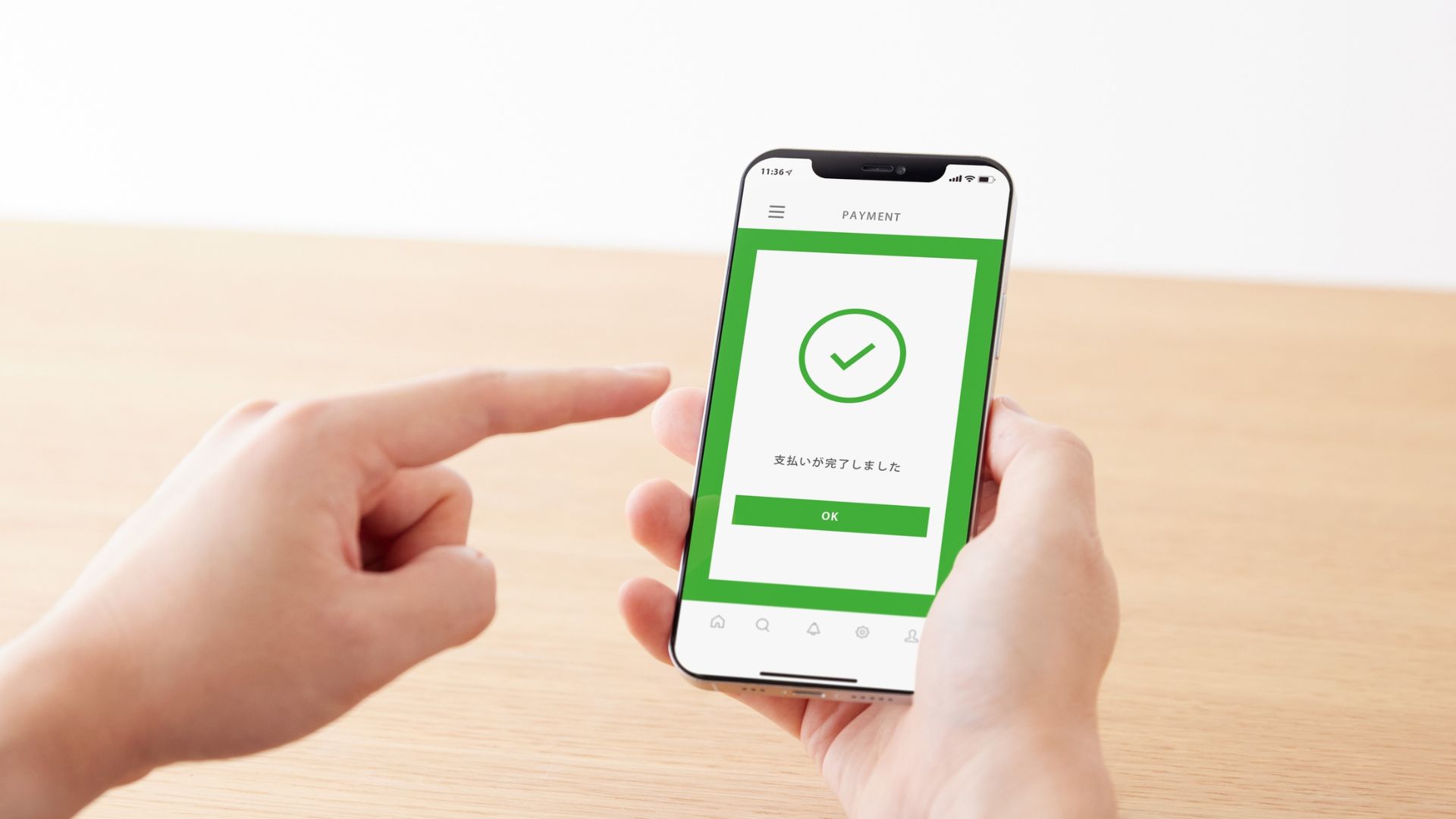
Use virtual cards to pay in euros and you’ll dodge many foreign transaction fees while keeping purchases secure. Create one-time or merchant-specific numbers, link them to your bank or travel account, and set per-transaction limits to prevent surprises. Tap with a digital wallet for contactless payments, test a small charge first, and refuse dynamic currency conversion when asked. Freeze or dispose of numbers if needed. Keep your issuer’s support info handy, and continue for tips on setup, use, and dispute steps.
Quick Answer: Use Virtual Cards to Avoid Foreign Transaction Fees
Use a virtual card to dodge foreign transaction fees when you’re spending in France — many banks and fintech apps let you generate single-use or merchant-specific card numbers that bill in the local currency, so you avoid the usual 1–3% surcharge.
You’ll set one up in minutes, link it to your main account, and use it for purchases where currency conversion would otherwise hit you. As a practical travel tips reminder, carry one virtual card for everyday buys and another for larger bookings.
That keeps spending organized and limits exposure if a merchant is compromised. Card security stays strong because you can freeze or dispose of numbers instantly, and you’re not exposing your real card details at cafes, markets, or online sites while you explore.
How Virtual Cards Prevent Foreign Transaction Fees
Beyond setup and practical use, virtual cards avoid foreign transaction fees by changing how the charge is processed. When you pay with a virtual card tied to a U.S. or fee-free account, the transaction can be routed and billed in the card’s native currency or flagged as domestic by the issuer, preventing automatic international fees.
You’ll often add that virtual card to digital wallets for contactless or in-app purchases, keeping the virtual-number layer between you and foreign merchants. Because the merchant sees the tokenized card details rather than your physical card’s BIN, currency conversion and cross-border surcharge triggers are less likely.
This doesn’t guarantee zero fees, but it significantly reduces the chance you’ll be hit with surprise international fees.
A Simple Fix for Managing Ad Spend
Running ads across multiple platforms used to mean one overloaded credit card and a billing statement nobody could read. A media buyer we trust told us he assigns a separate card to each campaign so he can track spend at a glance. When we asked how to get a virtual card that worked for this, he pointed us to Vizocard. Now every ad account has its own prepaid card with its own limit, and reconciling costs takes minutes instead of hours. It’s a small change that made our reporting dramatically cleaner.
Which Virtual-Card Features Matter for Travelers
When picking a virtual card for travel in France, you’ll want clear exchange-rate transparency so you know what you’re actually paying.
Make sure the card offers spending controls — like per-transaction limits and temporary locks — to prevent surprises and fraud.
Also check any acceptance limits or merchant restrictions so you won’t get declined at cafés, taxis, or online services.
Exchange Rate Transparency
If you’re comparing virtual cards for travel, clear exchange-rate disclosure should be near the top of your checklist.
You’ll want a provider that shows the exact rate used, any markup, and whether they use the interbank rate or a proprietary one. That transparency helps you anticipate costs amid currency fluctuations and choose exchange strategies like holding euros on the card or converting only when rates look favorable.
Look for real-time rate feeds, a timestamp, and a breakdown of fees per transaction. Avoid cards that hide markups in vague “conversion fees.”
When rates change, you’ll make smarter choices at ATMs, shops, and online. Clear disclosure prevents surprises and keeps your travel budget predictable.
Spending Controls
Spending controls give you quick, granular ways to limit risk and manage a travel budget on the go. Use virtual-card features to set per-transaction and daily caps so your spending habits don’t spiral during sightseeing or nights out.
Turn merchant-category blocks on for things you don’t plan to buy, and enable real-time alerts to catch unexpected charges immediately. Create temporary single-use cards for specific bookings to avoid recurring surprises, and freeze cards instantly if you lose a phone or suspect fraud.
Link controls to your travel itinerary so limits loosen only when you need them. These tools support disciplined budget management and reduce exposure to scams, letting you enjoy France without unnecessary financial stress.
Card Acceptance Limits
Because not every virtual card works everywhere abroad, check acceptance limits before you rely on one during your trip.
You’ll want to confirm which payment networks the issuer supports (Visa, Mastercard, etc.) since some French merchants and transit systems accept only certain networks or chip-and-PIN transactions.
Verify per-transaction and daily spending caps, as small limits can block hotel holds or car rentals.
Also check whether virtual cards can be used for recurring charges, contactless tap, or ATM withdrawals in case you need cash.
If a virtual card lacks broad card acceptance or ATM functionality, carry a backup physical card tied to a major payment network.
Doing this reduces surprises and ensures you can pay without fees or interruptions.
Best Low-Fee Virtual-Card Accounts for Travel (France-Ready)
When you pick a virtual-card account for France, focus on low-fee options that waive foreign transaction and conversion charges.
Look for France-friendly cards that use the real exchange rate and offer easy virtual card creation for secure online and in-app purchases.
We’ll compare popular low-fee providers and what fees or limits to watch for while traveling.
Low-Fee Virtual Accounts
If you want to dodge foreign transaction fees and keep better control over card use while in France, low-fee virtual accounts are one of the simplest tools to set up quickly.
You’ll find they combine cost savings with digital banking convenience: open an account, generate a virtual card, and fund it from your main balance.
Use separate virtual cards for hotels, dining, and online bookings to limit exposure and simplify tracking.
Look for accounts with minimal top-up fees, favorable exchange rates, and instant card creation.
Before you leave, verify ATM withdrawal limits and whether the provider uses dynamic currency conversion; avoid DCC to keep costs down.
With a lightweight setup, you control spending and reduce surprise charges while traveling.
France-Friendly Card Options
Look for 3–4 virtual-card providers that combine low fees, strong Euro exchange rates, and France-friendly features like contactless acceptance and seamless POS use.
You’ll want cards that integrate with Digital Wallets and Mobile Payments so you can tap and go at cafés, metros, and markets without hassle.
Prioritize options tied to reputable French Banking partners or that list robust local customer support and Local Offers like transit passes or partner discounts.
Check Currency Apps that show live EUR rates and let you lock rates or convert small amounts beforehand.
Compare fees, ATM withdrawal limits, and in-app card controls.
Pick one primary virtual card and a backup, enable notifications, and test both on arrival to avoid surprises.
Create and Fund a Virtual Card: Step-by-Step
1 easy way to cut foreign transaction fees is to set up a virtual card tied to your bank or travel card. You’ll pick a provider, verify your identity, and generate a one-time or reusable virtual number.
Focus on virtual card security—choose strong authentication, set spending limits, and enable alerts. Decide on funding methods before you need the card so payments don’t fail.
- Pick a trusted issuer and complete KYC quickly
- Choose between single-use or multi-use virtual numbers
- Link funding methods: bank account, debit/credit, or wallet
- Set limits, alerts, and an expiration for added security
After funding, confirm the card is active and test a small authorization before larger purchases.
Use Virtual Cards in France (In-Person & Online)
Now that you’ve created and funded a virtual card, you’ll want to use it effectively in France for both in-person and online purchases.
For in-person payments, add the card to your phone’s digital wallet integration and use contactless taps where accepted; vendors often prefer NFC over chip-and-PIN, but keep a backup physical card handy.
Online, enter the virtual card number at checkout or use the wallet’s autofill to avoid manual errors.
Prioritize virtual card security: enable transaction alerts, set single-use or merchant-locked options, and freeze the card instantly if something looks off.
Keep receipts and check statements promptly to catch merchant errors or unauthorized charges.
Using these practices, you’ll minimize fraud risk and avoid unnecessary fees while traveling.
Virtual Cards and Currency Conversion: Euros vs. Home Currency?
When you use a virtual card in France, the currency choice—euros or your home currency—directly affects the exchange rate and any dynamic currency conversion (DCC) fees you might pay.
So pick the option that minimizes total cost. You should usually accept charges in euros to avoid merchant DCC markups; your card issuer’s rate plus any foreign transaction fee (often waived with travel-friendly virtual cards) is often cheaper.
Before paying, check virtual card comparisons and issuer rules for currency conversion strategies. Also confirm whether your virtual card locks a rate or uses real-time conversion.
- Choose euros to avoid merchant DCC markups
- Check issuer exchange rates and fees first
- Compare virtual card comparisons for travelers
- Consider locking a rate if offered
What to Do If a Merchant Adds an Extra Fee
If a merchant adds an extra fee at checkout, don’t just accept it—ask why and request an itemized receipt so you can see whether it’s a legitimate service charge, a card processing fee, or an unauthorized markup.
Check the merchant policies posted or ask staff which charges are standard. If the fee seems improper, refuse the charge and offer alternate payment options like your virtual card or cash.
Document everything: take photos of the receipt, note names, and keep timestamps.
Contact the merchant’s customer service immediately to explain and request a refund. If that fails, file a fee dispute with your card issuer, supplying the itemized receipt and communication records.
Persist until the charge is corrected or reversed.
Pre-Trip Safety Checklist and Limits for Virtual Cards
Checklist and limits matter: before you travel, review your virtual card settings, daily and per-transaction limits, and expiration dates so you won’t be surprised at checkout.
You’ll want a quick pre-trip budgeting check to set realistic limits, and confirm card security features like CVV, merchant locks, and one-time-use options.
Lock or pause cards you aren’t using, and note how to contact your issuer from abroad.
- Set daily and per-purchase limits that match your itinerary
- Enable merchant or category restrictions to reduce fraud risk
- Pick single-use or short-expiry virtual numbers for high-risk purchases
- Save issuer emergency contact and international support details
These steps keep spending predictable and strengthen card security while you’re in France.
Frequently Asked Questions
Can Virtual Cards Be Used for Train Ticket Machines in France?
Yes — you can sometimes use virtual cards at French train ticket machines, but compatibility varies. You’ll want to check train ticketing options beforehand, carry a backup physical card, and enable contactless or mobile wallet features.
Will French Cafés Accept Virtual Cards for Contactless Payments?
Yes — like rain on a terrace, you’ll often tap and go: French payment trends favor contactless, and many cafés accept virtual cards via NFC or phone wallets; check café payment methods, since smaller places might still prefer cash.
Do Virtual Cards Work With Ride-Share Apps Like Uber in France?
Yes — you can usually add virtual cards to ride-share apps in France; they offer ride share compatibility and strong payment security, so you’ll tap into seamless bookings while keeping your real card details hidden from drivers and services.
Can I Add Travel Insurance Coverage Through a Virtual Card?
Imagine a safety net unfolding; yes, you can sometimes add travel insurance options to bookings paid with virtual cards, but you’ll hit virtual card limitations—check issuer policies, coverage fine print, and booking channel acceptance before relying on it.
How Do Virtual Cards Handle Refunds From French Merchants?
Virtual cards handle refunds like regular cards: you’ll receive reimbursements through the issuer, but timing depends on the refund process and merchant policies; you’ll need to provide transaction details, and disputes go through your card issuer if needed.
Final words
Think of your virtual card as a pocket-sized guidebook on cobblestone streets: it whispers the local language (euros), avoids the tourist traps (foreign transaction fees), and slips between busy vendors without drawing attention. You preload it, set spending limits, and carry it like a slim passport—ready when a café or online seller asks for payment. Travel light, trust the guidebook, and let small digital tools keep your trip smooth and fee-free.
Leave a Reply